


Can I take calcium tablets during my menstrual period?
May 22, 2025
Source: Cainiu Health

Dr. Zhang Lu
Introduction
The Role of Calcium Tablets and Calcium Loss During Menstruation
During menstruation, hormonal fluctuations in women's bodies, especially the decline in estrogen levels, may accelerate calcium loss. Some women may experience symptoms such as fatigue, mood swings, or mild muscle cramps. As a nutritional supplement, calcium tablets help maintain calcium balance in the body and reduce muscle tension or discomfort caused by calcium deficiency.
Generally speaking, calcium supplements can be taken during menstruation, but individual differences should be considered to avoid excessive or improper supplementation that may cause discomfort. The analysis is as follows:
Role of Calcium Supplements and Calcium Loss During Menstruation: Hormonal fluctuations during menstruation, especially decreased estrogen levels, may accelerate calcium loss. Some women may experience fatigue, mood swings, or mild cramps. As a nutritional supplement, calcium tablets help maintain calcium balance in the body and reduce muscle tension or discomfort caused by calcium deficiency, possibly alleviating symptoms such as dysmenorrhea and back pain.
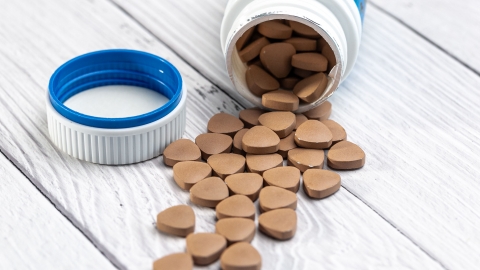
Calcium Supplement Selection: It is recommended to prioritize calcium types with higher absorption rates, such as calcium citrate or calcium lactate, to avoid bloating possibly caused by calcium carbonate. Calcium citrate can be taken on an empty stomach, while calcium carbonate should be taken after meals to enhance absorption.
If you have a history of kidney stones, hypercalcemia, or are currently taking cardiac glycosides, consult your doctor to assess the necessity of calcium supplementation. Calcium demand is higher during the first three days before menstruation; intake can be appropriately increased, but should be adjusted according to individual conditions. During menstruation, maintain a balanced diet and ensure simultaneous supplementation of trace elements such as magnesium and zinc to maintain overall nutritional balance.



