


Can pineapple help reduce greasiness?
Aug 15, 2025
Source: Cainiu Health

Dr. Yu Yongchao
Introduction
Under normal circumstances, pineapple can help reduce greasiness, but attention should be paid to the amount and method of consumption to avoid causing discomfort. It is recommended to soak pineapple in salt water before eating to reduce the irritation of bromelain to the mucous membrane. Avoid consuming on an empty stomach to prevent excessive gastric acid secretion and related discomfort. In daily life, to relieve greasiness, one can also pair meals with light vegetables, tea beverages, and maintain a balanced diet.
Generally speaking, pineapple can help reduce greasiness, but attention should be paid to the quantity and manner of consumption to avoid discomfort. A detailed explanation is as follows:
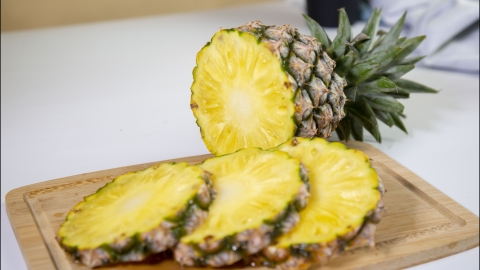
Pineapple is a common fruit containing bromelain, organic acids, and dietary fiber. Bromelain helps break down proteins in food, thereby reducing the digestive burden of greasy foods on the gastrointestinal tract. Eating a moderate amount of pineapple, especially after consuming meat or fried foods, can help alleviate the feeling of greasiness and generally does not cause adverse reactions. However, excessive consumption may cause the acidic components in pineapple to irritate the oral and gastric mucosa, leading to discomfort such as oral tingling and acid reflux (see acid reflux). Additionally, pineapple contains a relatively high amount of sugar, and overconsumption could lead to excessive sugar intake.
Before consumption, pineapple should be soaked in salt water to reduce the irritation caused by bromelain to the mucous membranes. It is also advisable to avoid eating pineapple on an empty stomach to prevent discomfort caused by excessive gastric acid production. In daily life, to reduce greasiness, one can also pair meals with light vegetables and tea, maintaining a balanced diet for better digestive health.






