


How to Use Ovulation Test Strips Correctly
Jan 04, 2022
Source: Cainiu Health
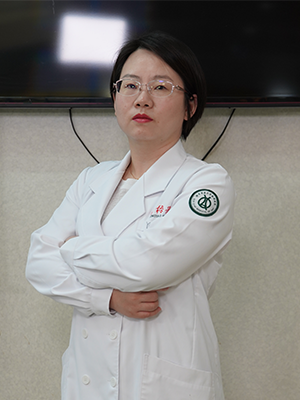
Dr. Yang Qiong
Introduction
Before using an ovulation test strip, collect urine in a specimen cup, or directly dip the test strip into your urine stream during urination. The colored line on the strip that has been immersed in urine indicates whether the luteinizing hormone (LH) surge has begun. Instructions for use may vary slightly among different ovulation test kits; however, in general, urine collected between 10 a.m. and 8 p.m. is recommended.
Ovulation test strips are the most common method used to detect ovulation. They work by measuring changes in luteinizing hormone (LH) levels to determine whether a woman is approaching her ovulatory phase, thereby helping to identify the optimal timing for intercourse.

How to Use Ovulation Test Strips Correctly
Before using an ovulation test strip, collect urine in a clean cup—or, alternatively, hold the test strip directly in the urine stream during urination. The colored line on the strip indicates whether the LH surge has begun. Although instructions may vary slightly among different brands, it is generally recommended to collect urine between 10 a.m. and 8 p.m., with the optimal window being between 2:00 p.m. and 2:30 p.m. While testing at approximately the same time each day is ideal, it is not strictly required. However, avoid testing first thing in the morning, as this may cause you to miss the initial day of the LH surge. Additionally, reduce fluid intake for about two hours before testing, since excessive hydration can dilute urine and make detection of the LH surge more difficult.
How Ovulation Test Strips Work
One to two days prior to ovulation, LH levels in the body rise sharply—reaching what is known as the “LH surge.” Ovulation test strips detect this surge in LH concentration in your urine. This LH surge triggers ovulation and serves as a key indicator that your most fertile period—the optimal time for conception—is imminent. Although small amounts of LH are always present in both blood and urine, LH levels typically increase two- to fivefold just before ovulation. The 12–36 hour window from the onset of the LH surge to actual egg release represents the peak fertility period within a menstrual cycle—and thus the time when conception is most likely.
How to Read Ovulation Test Strips
Results should be read within 10 minutes of performing the test; readings taken after this time are invalid. If the result is positive, the test line will remain visible and will not fade. In some cases, however, a faint second line may appear on a negative result if rechecked after a delay—so always discard the test strip immediately after reading the result and do not reuse it.
Ovulation test strips help identify when your most fertile period is likely to begin. Typically, your peak fertility window starts approximately 17 days before the onset of your next expected menstrual period. For example, if your average cycle length is 28 days, begin testing on Day 11 and continue daily for six days. Alternatively, you may use our Ovulation Predictor Tool to calculate the start date of your most fertile window.
We hope the above information is helpful. Wishing you a joyful and fulfilling life!



