


Can patients with cervical cancer smoke?
Jan 25, 2022
Source: Cainiu Health

Dr. Deng Xuanbi
Introduction
Of course, cervical cancer has other etiological factors as well. For example, the number of sexual partners and childbirths, as well as other biological factors—such as infections with *Chlamydia trachomatis*, herpes simplex virus type 2 (HSV-2), and *Trichomonas vaginalis*—may act synergistically with high-risk HPV infection in the development of cervical cancer.
Smoking acts as a cofactor for HPV infection and increases the risk of developing cervical cancer. Persistent infection with high-risk HPV types is the primary cause of cervical cancer, and over 90% of cervical cancer cases are associated with high-risk HPV infection.
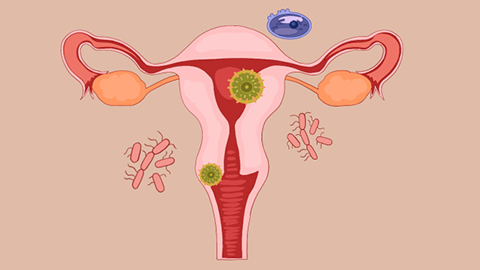
Can individuals with cervical cancer smoke?
Smoking acts as a cofactor for HPV infection and increases the risk of developing cervical cancer. Persistent infection with high-risk HPV types is the primary cause of cervical cancer, and over 90% of cervical cancer cases are associated with high-risk HPV infection.
Certainly, other etiological factors also contribute to cervical cancer. These include sexual behavior and number of childbirths, as well as other biological factors—such as infections with *Chlamydia trachomatis*, herpes simplex virus type 2 (HSV-2), and *Trichomonas vaginalis*—which may act synergistically with high-risk HPV infection in cervical carcinogenesis. Smoking is also a major cause of other malignancies; for instance, it is the leading cause of the progressive rise in lung cancer mortality. Both passive (secondhand) smoking and environmental tobacco smoke exposure are also recognized risk factors for lung cancer. Therefore, individuals diagnosed with cervical cancer are strongly advised to quit smoking or avoid environments where smoking occurs, to facilitate disease recovery and reduce the risk of developing additional cancers.
Moreover, smoking impairs both humoral and cellular immune function. The resulting immunosuppression may increase susceptibility to HPV infection and enhance viral activity. In rural areas and some developing countries, the proportion of women who actively smoke is relatively low; however, many are exposed to passive smoke. Female passive smokers face an elevated risk of cervical cancer compared with non-smokers. Additionally, since carcinogenic tobacco metabolites require metabolic activation within the body to exert their carcinogenic effects, interindividual genetic variations in metabolic pathways may influence an individual smoker’s susceptibility to cervical cancer.
We hope the above information is helpful. Wishing you a happy and healthy life.



