


How long is the incubation period for hepatitis B “small three positives”?
Feb 24, 2022
Source: Cainiu Health

Dr. Chen Tansheng
Introduction
How long is the incubation period for “small three positive” hepatitis B?
The incubation period for “small three positive” hepatitis B depends on whether the infection is acute or chronic, and typically ranges from approximately 3 to 6 months. “Small three positive” hepatitis B is one form of hepatitis B virus (HBV) infection, which does have an incubation period. In acute cases, the incubation period is usually about 3 months; in chronic cases, it may extend to 3–6 months.
“Small Three Positive” (Xiao San Yang) is a clinical term referring to a specific serological pattern observed in chronic hepatitis B patients or hepatitis B virus (HBV) carriers. It indicates positivity for three HBV-related markers: hepatitis B surface antigen (HBsAg), hepatitis B e antibody (HBeAb), and hepatitis B core antibody (HBcAb). So, what is the incubation period for “Small Three Positive” hepatitis B? Let’s explore this further.
What Is the Incubation Period for “Small Three Positive” Hepatitis B?
The incubation period for “Small Three Positive” hepatitis B depends on whether the infection is acute or chronic, typically ranging from approximately three to six months.
“Small Three Positive” hepatitis B is one manifestation of hepatitis B disease, which does have an incubation period. In acute cases, the incubation period is generally about three months; in chronic cases, it may extend to three to six months. After the incubation period, symptoms such as fever, nausea, vomiting, chills, hepatic pain, and jaundice may appear. Some patients may also develop dark circles under the eyes or palmar erythema (“liver palms”).
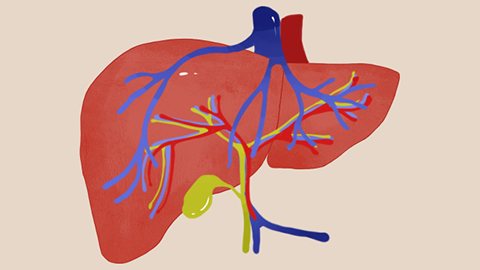
If left untreated, “Small Three Positive” hepatitis B can progress and worsen. Typically, within six months after the incubation period ends, the condition may evolve into chronic hepatitis B. In some patients, it may further progress to cirrhosis or even hepatocellular carcinoma. Given the high prevalence of “Small Three Positive” hepatitis B, it is strongly recommended—upon noticing any related symptoms—that individuals promptly visit a reputable local hospital for appropriate diagnostic testing and timely treatment, to prevent disease progression and symptom exacerbation.
Clinical Manifestations of “Small Three Positive” Hepatitis B
1. Gastrointestinal manifestations: Reduced bile secretion impairs digestion and absorption of food, leading to symptoms such as nausea, vomiting, and decreased appetite.
2. Jaundice: In more severe cases, elevated serum bilirubin levels result in bilirubin excretion via urine, causing dark yellow urine—the earliest sign of jaundice.
3. Bleeding tendencies: Prolonged impairment of liver function reduces synthesis of coagulation factors, increasing susceptibility to bleeding—for example, gingival or nasal hemorrhage.
4. Other symptoms: Fatigue, low-grade fever, myalgia or arthralgia, and abdominal pain.
We hope the above information is helpful to you.



