


Can you get pregnant right after your period ends?
Apr 18, 2022
Source: Cainiu Health
Dr. Yang Qiong
Introduction
In general, sexual intercourse immediately after menstruation ends does not entirely rule out the possibility of pregnancy. Reports indicate that ovulation may occur as early as day 7 of the menstrual cycle; therefore, if menstrual bleeding lasts seven days and stops completely, ovulation could potentially occur right after menstruation ends, and conception may result from intercourse during this time—though the likelihood is low. Conversely, if ovulation occurs later in the cycle, ovarian follicles may not yet be mature at the time menstruation ends, meaning no ovulation will occur, and thus neither intercourse nor pregnancy would be possible.
Many women engage in sexual intercourse shortly after their menstrual period ends. When no contraceptive measures are taken, they often worry about the possibility of pregnancy. So, can a woman become pregnant immediately after her period ends?
Can pregnancy occur right after menstruation ends?
In general, sexual intercourse immediately following menstruation does not entirely rule out the possibility of pregnancy. Reports indicate that ovulation may occur as early as day 7 of the menstrual cycle. If menstrual bleeding lasts for seven days and stops completely, ovulation could potentially occur just after the period ends—and conception may result from intercourse during this time, although the likelihood is relatively low. Conversely, if ovulation occurs later in the cycle, the ovarian follicles may not yet be mature at the time menstruation ends, meaning no egg would be released—thus eliminating the possibility of conception, even with intercourse.
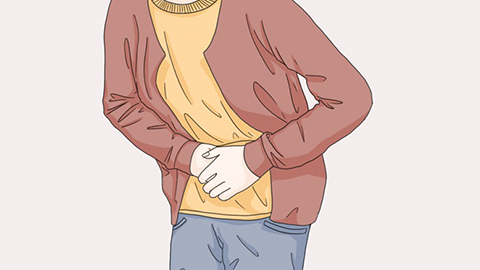
For women with regular menstrual cycles, the periods immediately before and after menstruation are considered relatively safe for unprotected intercourse—but “safe” here is only relative, not absolute.
If pregnancy is not currently desired, it is advisable to use reliable and effective contraceptive methods, such as condoms, long-acting hormonal contraceptives, or intrauterine devices (IUDs), to prevent unintended pregnancy. However, emergency contraception should be used no more than three times per year, as frequent use may disrupt the menstrual cycle. Immediately after menstruation ends, women should focus on staying warm, avoiding excessive physical exertion, and refraining from consuming raw, cold, or otherwise irritating foods—these precautions help prevent menstrual cramps when the next period begins.

It is important to maintain local hygiene immediately after menstruation ends. Additionally, sexual intercourse is not recommended right away, as it may increase the risk of gynecological infections. We hope this information has been helpful to you.






