


How many doses are required for the hepatitis B vaccine booster?
Apr 19, 2022
Source: Cainiu Health

Dr. Jiang Weimin
Introduction
Hepatitis B vaccine booster administration refers to an additional dose given after the initial vaccination series, which stimulates the body to produce or enhance protective antibodies. Antibodies have a certain half-life; when their levels decline to a certain threshold, they are no longer sufficient to provide protection. Administering another dose of the hepatitis B vaccine—termed a “hepatitis B vaccine booster”—can stimulate the immune system to generate and elevate antibody titers, thereby restoring protective immunity.
A hepatitis B vaccine booster refers to an additional dose of the hepatitis B vaccine administered when antibody levels in the body have declined following prior vaccination.
How many doses are required for a hepatitis B vaccine booster?
Analysis of test results indicates that protective antibodies are already present, albeit at low levels; therefore, a booster is generally unnecessary. A follow-up test for hepatitis B surface antibody (anti-HBs) should be performed six months later. If the result is negative, one to three doses of the hepatitis B vaccine should be administered. If the anti-HBs level remains weakly positive after six months of observation, a booster dose is recommended.
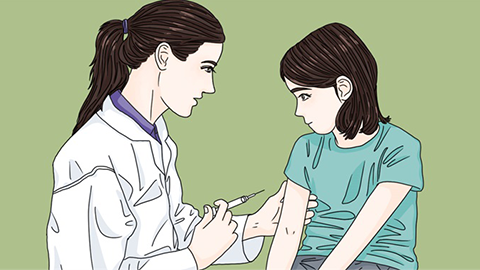
Hepatitis B vaccine booster administration aims to stimulate the body to produce antibodies. Antibodies have a defined half-life; when their concentration declines below a protective threshold, immunity wanes. Re-administering the vaccine re-stimulates the immune system, thereby elevating and sustaining antibody levels. Such supplementary doses are termed “hepatitis B vaccine boosters,” and they effectively induce protective antibodies capable of defending against viral infection.
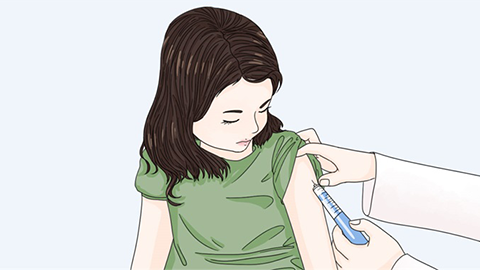
Prior to receiving a booster dose, it is advisable to undergo testing for the five hepatitis B serological markers (the “hepatitis B panel”). If hepatitis B surface antibody (anti-HBs) is positive, no booster is required. If anti-HBs is weakly positive, a single booster dose is recommended. If anti-HBs is undetectable, a full hepatitis B vaccination series (typically three doses) is advised. Following administration of the hepatitis B vaccine booster, avoid bathing on the same day, abstain from alcohol, and minimize consumption of seafood or spicy, irritating foods. We hope this information is helpful to you.





