


When should the third dose of the hepatitis B vaccine be administered?
May 23, 2022
Source: Cainiu Health

Dr. Jin Zhongkui
Introduction
The third dose of the hepatitis B vaccine may be administered five months or six months after the second dose. The complete vaccination series consists of three doses, following the 0-, 1-, and 6-month immunization schedule: the first dose is given on day 0 (the initial visit), the second dose one month later, and the third dose six months after the first dose. The second dose may be administered at least 28 days after the first dose, and the third dose may be administered at least three months after the second dose.
In daily life, the hepatitis B vaccine can prevent hepatitis B virus infection. Typically, the hepatitis B vaccine requires three doses. Some individuals have already received the second dose but are unsure when to receive the third. So, when should the third dose of the hepatitis B vaccine be administered?
When should the third dose of the hepatitis B vaccine be administered?
The third dose of the hepatitis B vaccine may be administered five months or six months after the second dose. The complete vaccination schedule consists of three doses, following a 0-, 1-, and 6-month immunization schedule: the first dose is given on day 0 (the initial visit), the second dose one month later, and the third dose six months after the first. The second dose may be administered at least 28 days after the first, and the third dose at least three months after the second. Vaccination should ideally occur within the maximum recommended interval—no longer than one month beyond the scheduled time. Delaying vaccination beyond this window may impair antibody production.
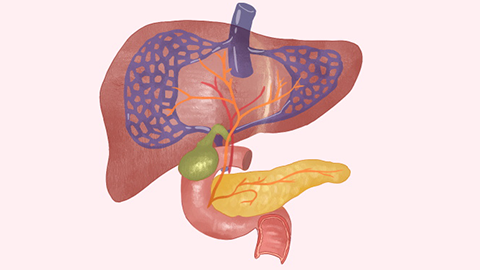
There are two ways to acquire hepatitis B surface antibodies (anti-HBs): one is through hepatitis B vaccination, and the other is via natural infection with the hepatitis B virus followed by spontaneous viral clearance and subsequent endogenous anti-HBs production. However, the success rate of generating protective anti-HBs through vaccination is not 100%. Therefore, post-vaccination serologic testing is recommended to confirm whether anti-HBs has been successfully produced. Anti-HBs is a protective antibody; if present after vaccination, it indicates immunity against hepatitis B, enabling the body to resist infection upon exposure to the hepatitis B virus.

We hope this article has been helpful. Wishing you good health and happiness!



