


Differences Between Pharyngitis and Tonsillitis
May 25, 2022
Source: Cainiu Health

Dr. Guo Xiheng
Introduction
Pharyngitis and tonsillitis present with distinct symptoms. Pharyngitis produces characteristic manifestations: symptoms become apparent soon after onset and commonly include dryness, itching, a rough sensation, and pain in the throat. If the condition progresses, it may lead to earache, fever, and headache. Tonsillitis frequently occurs in children and adolescents; once it develops, it typically causes sore throat, tonsillar swelling, and fever.
Tonsillitis and pharyngitis both occur in the throat region and present with highly similar symptoms; thus, many people are unaware of the distinctions between these two conditions. So, what are the differences between pharyngitis and tonsillitis?
Differences Between Pharyngitis and Tonsillitis
Pharyngitis and tonsillitis differ in their clinical manifestations. Pharyngitis produces characteristic symptoms: onset is typically abrupt, with prominent symptoms including dryness, itching, a rough or gritty sensation, and pain in the throat. As the condition progresses, patients may develop earache, fever, and headache. Tonsillitis commonly affects children and adolescents. Once it occurs, it causes sore throat, tonsillar swelling, and fever; in severe cases, marked enlargement of the submandibular lymph nodes may be observed. The underlying causes also differ: pharyngitis has diverse etiologies, with viral infection accounting for the majority of cases. In contrast, tonsillitis is often associated with compromised immune function and reduced resistance, facilitating bacterial invasion and subsequent damage to the tonsils.
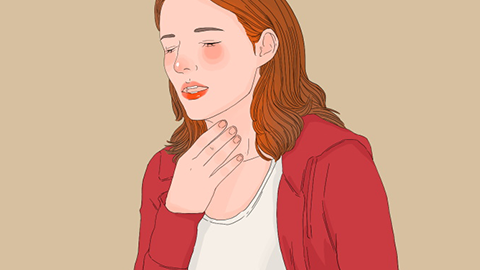
Once pharyngitis develops, prompt treatment is essential. Mild cases are primarily managed with supportive care and pharmacotherapy. Additionally, identifying and eliminating the underlying cause is crucial. For tonsillitis, active pharmacological treatment is recommended—physicians frequently prescribe antibiotics. If no significant improvement is observed after antibiotic therapy, surgical tonsillectomy should be considered.
Accurate diagnosis of symptoms—such as sore throat—is vital to guide targeted treatment. During illness, patients should carefully plan their diet, drink plenty of warm water, and avoid strongly irritating foods. We hope this information proves helpful!




