


What to eat for lower back pain and body aches
Oct 27, 2022
Source: Cainiu Health
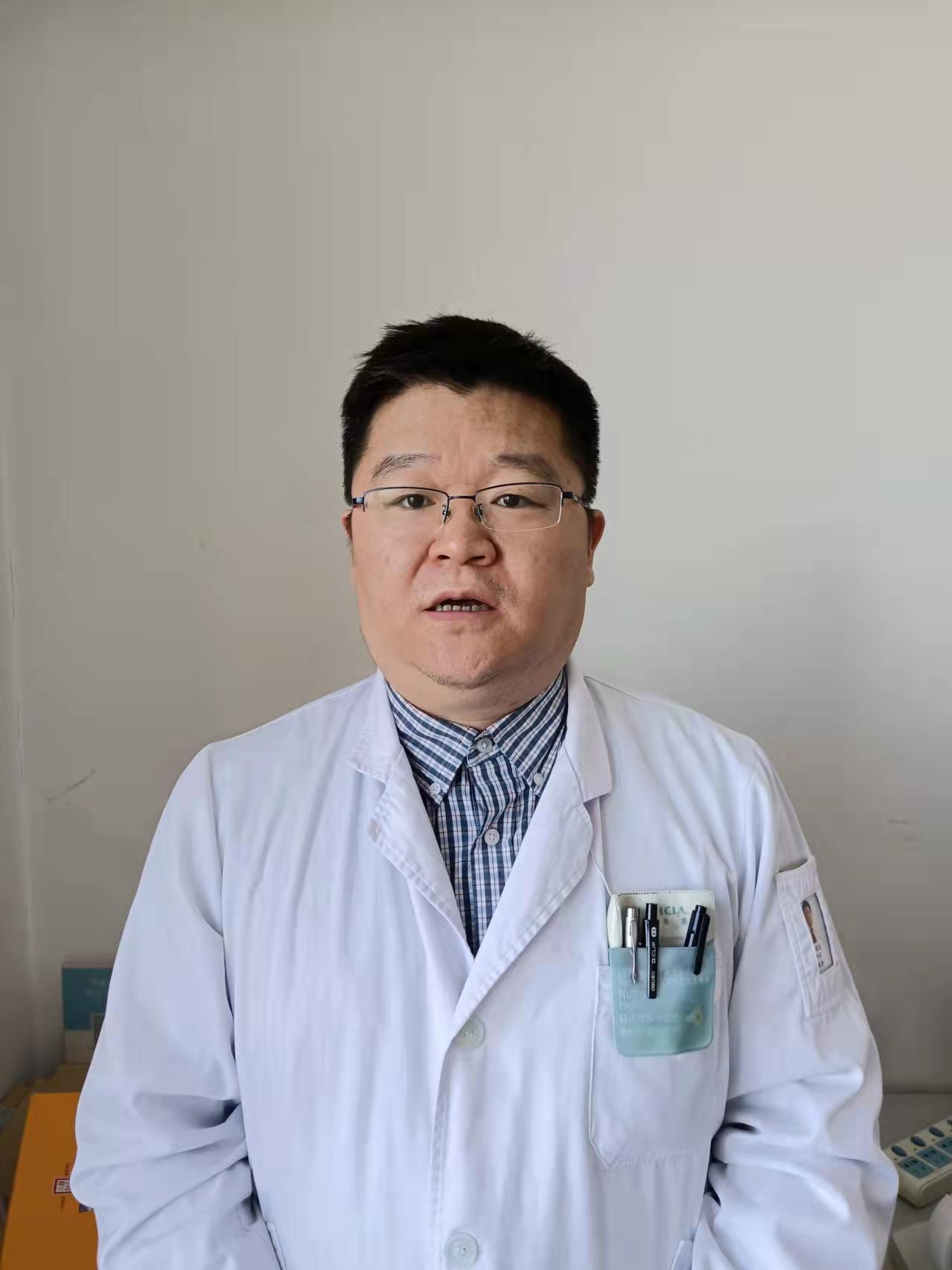
Dr. Sun Shaolong
Introduction
Kidney yin deficiency can cause soreness and pain in the lower back. This may be relieved through heat application or medication. Heat application involves warming the lumbar area—for example, using a hot water bottle placed over a dry towel on the lower back—which improves local blood circulation and provides initial relief from back discomfort. Additionally, medications that improve kidney function and regulate the body's water and sodium balance can help alleviate kidney-related symptoms.
Lower back pain may be caused by factors such as excessive fatigue or kidney yin deficiency, and can be treated through physical therapy, medication, and other methods. Specific treatments are as follows.
I. Non-disease Factors
For lower back pain caused by fatigue, initial treatment involves rest, which helps relieve muscle tension in the lower back and reduce pain. Medications that promote blood circulation and remove blood stasis, or anti-inflammatory and analgesic drugs, may also be used to alleviate discomfort. If symptoms do not improve significantly, a medical evaluation at a hospital is recommended, including imaging tests such as CT scan, MRI, or X-ray of the lumbar region. Based on the findings, conservative treatment or surgical intervention may be considered.
II. Disease-related Factors
1. Kidney Yin Deficiency
Kidney yin deficiency causing lower back pain can be managed with heat therapy or medications. Heat therapy involves applying warmth to the lower back—for example, using a hot water bottle wrapped in a dry towel—to improve local blood circulation and provide initial relief from backache. Additionally, medications that support kidney function and regulate the body's water and sodium balance may help improve kidney-related symptoms and thereby alleviate lower back pain.
2. Trauma
Lower back pain can occur after accidentally spraining the waist. Such injuries may lead to local tissue damage, swelling, adhesions, and muscle spasms. Topical pain relievers such as Voltaren (diclofenac) gel can be applied locally. Alternatively, medicated plasters like flurbiprofen plaster may be used. For conditions such as third lumbar transverse process syndrome, lidocaine block therapy may be administered.






