


How to effectively regulate prolonged menstrual periods
Dec 29, 2022
Source: Cainiu Health
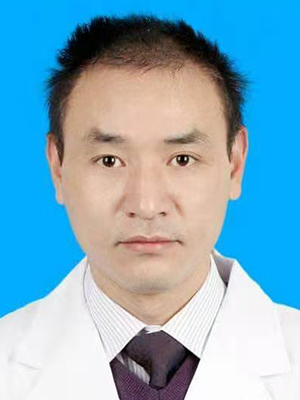
Dr. Mei Quan
Introduction
If a woman experiences prolonged menstrual periods caused by endometrial thickening due to endometritis, anti-inflammatory treatment with amoxicillin capsules can be used. If the patient has a history of penicillin allergy, azithromycin can be taken instead, along with Yunnan Baiyao to help relieve symptoms. When prolonged menstruation is due to endometrial thickening of unknown cause, progesterone can be administered.
Many female friends experience heavy menstrual bleeding with prolonged duration after their periods start, which often causes significant anxiety. How can prolonged menstruation be most effectively regulated?
How to Most Effectively Regulate Prolonged Menstruation
If a woman’s menstrual period is excessively long due to endometritis causing thickening of the endometrium, anti-inflammatory treatment with amoxicillin capsules may be effective. For patients with a history of penicillin allergy, azithromycin can be used instead. Additionally, Yunnan Baiyao can be taken concurrently to help relieve symptoms. If prolonged menstruation results from endometrial thickening of unknown cause, progesterone therapy may be appropriate.

There are many potential causes of prolonged menstruation, including various gynecological inflammations, hormonal imbalances due to endocrine disorders, endometrial abnormalities, or cervical lesions. Therefore, it is essential to visit a hospital for proper diagnosis and identify the underlying cause before initiating targeted treatment. If caused by endocrine imbalance, estrogen-progestin therapy combined with traditional Chinese medicine or proprietary Chinese drugs in a structured course is recommended. If prolonged bleeding is due to gynecological inflammation, it is best to take uterine-contracting, anti-inflammatory, and hemostatic medications under a doctor's guidance. After the bleeding stops, continue treatment with blood-activating, stasis-resolving, and anti-inflammatory medications.

In cases of endometrial polyps or excessive endometrial thickening, hysteroscopic surgery may be necessary to remove the polyps or perform curettage followed by histopathological examination. For conditions caused by cervical or endometrial lesions, early detection and prompt surgical intervention are crucial. We hope this information is helpful to you. Wishing you good health and a happy life.




