


How to treat bone spurs in the knee joint
Feb 24, 2025
Source: Cainiu Health

Dr. Chen Jian
Introduction
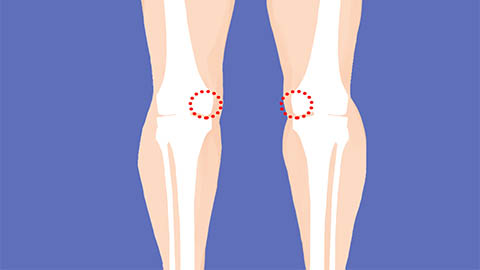
Under normal circumstances, knee joint bone spurs may be caused by factors such as aging, obesity, malnutrition, excessive physical activity, and trauma. It is recommended to seek timely medical attention, identify the underlying cause, and then alleviate symptoms through conservative treatment, medication, or surgical intervention under the guidance of a qualified physician. When treating knee joint bone spurs, appropriate treatment methods should be selected according to individual conditions.
Generally, knee joint bone spurs may be caused by factors such as aging, obesity, malnutrition, excessive exercise, trauma, and others. It is recommended to seek timely medical consultation, identify the underlying cause, and then alleviate symptoms through general treatments and medication under the guidance of a qualified physician. Detailed explanations are as follows:
1. Aging
With aging, joint cartilage gradually wears away and bone density changes, making knee joint bone spurs more likely to develop. It is recommended to strengthen muscle exercises, especially the quadriceps on the front of the thighs and the hamstrings at the back, to enhance joint stability.
2. Obesity
Obesity increases the burden on weight-bearing joints such as the knee and hip joints, accelerating cartilage wear and potentially leading to knee joint bone spurs, often accompanied by pain and limited movement. It is recommended to control body weight through healthy eating and appropriate exercise. Physical therapies such as joint traction and hot/cold compresses may be used when necessary.
3. Malnutrition
A deficiency in nutrients such as calcium and vitamin D may reduce the amount of synovial fluid in the joints, affecting the proliferation of bone cells and causing knee joint bone spurs. Adjusting the diet to include more nutrient-rich foods such as eggs, fish, and apples can help supplement essential nutrients and alleviate bone spurs.
4. Excessive Exercise
Excessive physical activity may cause excessive wear on the bones in the joints, leading to uneven pressure distribution and resulting in knee joint bone spurs. This condition can be improved by reducing the amount of exercise and maintaining healthy lifestyle habits.
5. Trauma
If the joint area experiences external impact or pressure, cartilage damage may occur. If not treated promptly, joint stability may be compromised, which can lead to the development of knee joint bone spurs. If trauma occurs, it is recommended to apply a cold compress using an ice pack or cold towel to the affected area to help alleviate symptoms.
When treating knee joint bone spurs, individuals should choose suitable treatment methods according to their specific conditions. At the same time, maintaining good lifestyle habits and a positive mindset is also important.



