


Can I eat cranberries during my menstrual period?
May 21, 2025
Source: Cainiu Health

Dr. Yu Yongchao
Introduction
In general, cranberries can be consumed during menstruation, but moderation is important. Cranberries are rich in vitamin C, dietary fiber, anthocyanins, and ursolic acid, which have antioxidant and anti-inflammatory properties. With high water content, cranberries can help alleviate mild dehydration during menstruation. Vitamin C promotes iron absorption and helps prevent iron-deficiency anemia, especially for women with heavy menstrual bleeding.
Generally speaking, cranberries can be consumed during menstruation, but moderation is important. Detailed explanations are as follows:
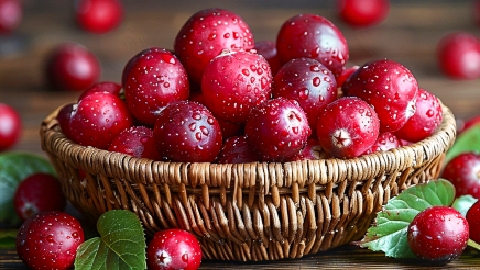
Cranberries are rich in vitamin C, dietary fiber, anthocyanins, ursolic acid, and other components, providing antioxidant and anti-inflammatory effects. Cranberries have a high water content, which can help alleviate mild dehydration during menstruation; vitamin C promotes iron absorption, assisting in the prevention of iron-deficiency anemia, especially suitable for women with heavy menstrual bleeding. The A-type proanthocyanidins contained in cranberries may inhibit E. coli adhesion to the urinary tract, reducing the risk of urinary tract infections during menstruation. Its antioxidant components may help alleviate mood swings such as anxiety and irritability during menstruation.
However, moderation is important. Some women may experience gastrointestinal sensitivity during their period, and excessive consumption may cause stomach pain, acid reflux, or diarrhea. If your menstrual flow is already heavy or contains clots, it is recommended to try a small amount first and observe your reaction. Those with sensitive digestive systems should reduce intake or temporarily avoid cranberries, observing whether any discomfort occurs; for individuals with diabetes, intake of processed cranberry products must be strictly controlled to avoid blood sugar fluctuations.
It's important to understand your physical condition and take appropriate measures when consuming any food or supplements. Maintaining a balanced diet and consuming more foods rich in iron and vitamins during menstruation can help alleviate symptoms and promote overall health.




