


How to Quickly Get Rid of Pimples
Aug 31, 2026
Source: Cainiu Health

Dr. Liu Wenmin
Introduction
Acne can be rapidly reduced through measures such as adjusting diet and sleep patterns, maintaining proper local cleansing and skincare, applying topical anti-acne medications, taking oral regulatory medications, and undergoing physical red-blue light therapy. Excessive sebum production and follicular obstruction can trigger acne development. If widespread erythema, swelling, pustules, severe pain, or recurrent suppuration and ulceration occur, prompt medical evaluation and treatment at a hospital are essential.
Acne can be rapidly reduced through dietary and lifestyle adjustments, proper local cleansing and care, topical anti-acne medications, oral regulatory drugs, and physical red-blue light therapy. Excessive sebum production and follicular obstruction are key triggers for acne development. If you experience widespread erythematous swelling, pustules, severe pain, or recurrent suppuration and ulceration, seek prompt medical evaluation and treatment.
1. Adjust diet and sleep schedule: Reduce intake of high-sugar and fried foods, and ensure adequate sleep. Avoid staying up late, as this disrupts normal metabolism and promotes excessive sebaceous gland secretion—thereby increasing the risk of follicular obstruction and helping to alleviate skin inflammation.
2. Maintain proper local cleansing and care: Use a gentle facial cleanser to clean the face; avoid squeezing or rubbing acne lesions with your hands. Keep affected areas clean and dry to minimize bacterial contamination from external sources, prevent further inflammatory spread, and reduce the risk of post-acne pigmentation or scarring.
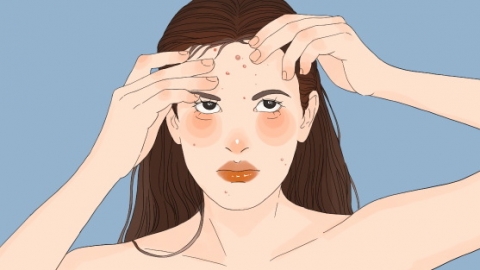
3. Topical anti-acne ointments: Apply appropriate topical anti-acne medications to affected areas under physician guidance. These agents help reduce local inflammation, inhibit proliferation of *Cutibacterium acnes*, and alleviate erythema and papulopustular lesions. Monitor for signs of skin irritation, such as stinging or erythema.
4. Oral regulatory medications: For extensive inflammatory acne, oral medications may be prescribed per physician instructions. These help regulate systemic sebum production, control deep-seated cutaneous inflammation, and reduce acne recurrence. Do not self-prescribe or take such medications without medical supervision.
5. Physical red-blue light therapy: For severe inflammatory acne, red-blue light therapy may be employed. This modality utilizes specific light wavelengths to suppress pathogenic bacterial activity, reduce erythema and inflammation, accelerate healing of localized skin lesions, and lower the likelihood of post-inflammatory hyperpigmentation.
In daily life, avoid applying heavy, occlusive skincare products to the face and refrain from frequently touching your face. Maintain emotional stability, drink ample water, engage in moderate outdoor activities, and regularly monitor changes in facial lesions to minimize acne recurrence.


