


What does it mean when menstrual blood is black?
Jul 14, 2022
Source: Cainiu Health

Dr. Chen Zhe
Introduction
Dark-colored menstrual blood is primarily caused by Qi stagnation and Blood stasis, leading to prolonged retention of menstrual blood within the uterine cavity. The main contributing factors include inadequate local warmth during menstruation, chills, emotional depression, and excessive grief. It is recommended to drink boiled water with brown sugar or Leonurus (Yi Mu Cao) to alleviate these symptoms. Dark menstrual blood is closely associated with deficiency of Qi and Blood.
It is relatively common for women to experience dark-colored menstrual blood with clots during their periods. However, abnormal menstrual color may indicate underlying health issues. So, what causes black menstrual blood?
What Causes Black Menstrual Blood?
Blackish menstrual blood primarily results from Qi stagnation and blood stasis, leading to prolonged retention of menstrual blood within the uterine cavity. Common contributing factors include inadequate local warmth during menstruation (causing chills), emotional depression, or excessive grief. It is recommended to drink boiled water with brown sugar or motherwort (Leonurus japonicus) to help alleviate these symptoms.Black menstrual blood is closely associated with deficiency of Qi and blood. When the body’s Qi and blood are insufficient or imbalanced, menstrual flow becomes scanty and dark in color. Traditional Chinese Medicine (TCM) commonly attributes this condition to either blood deficiency or blood stasis.
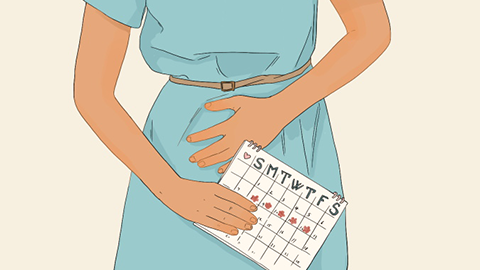
If the deficiency is congenital, attention should be paid to regulating Qi and blood production through daily warmth preservation and prevention of colds. If black, scanty menstrual blood persists over time, it is advisable to consume foods that nourish blood and Qi, promote blood circulation, and resolve stasis. Generally, taking motherwort or Shenghua Tang (a classic TCM formula) during menstruation can help regulate the cycle.

Maintain a cheerful and relaxed mood—avoid excessive worry. Establish regular daily routines, avoid fatigue and staying up late, keep the lower abdomen warm, prevent colds, and engage in moderate, gentle physical activity. Avoid strenuous exercise or heavy labor. Participating appropriately in cultural and recreational activities can also support emotional well-being. We hope this information is helpful to you!




