


Can you eat spicy food during menstruation?
Jul 15, 2022
Source: Cainiu Health

Dr. Chen Zhe
Introduction
During menstruation, avoid sexual intercourse, as both sexual activity and pelvic baths can introduce external bacteria into the vagina, potentially causing endometritis or pelvic inflammatory disease (PID). PID may lead to tubal obstruction, resulting in ectopic pregnancy, infertility, or chronic pelvic pain. Also, take care to avoid catching a cold; upper respiratory infections may trigger retrograde menstrual flow, which is associated with an increased risk of pelvic inflammatory disease. Additionally, colds can provoke gastrointestinal spasms, and since immunity is reduced during menstruation, consuming cold beverages is not advisable.
Many women around us love spicy food and consume it daily. Their menstrual periods typically last about five days—so, is it safe to eat spicy food during menstruation?
Can you eat spicy food during your period?
During menstruation, pelvic congestion occurs, and many women experience a sensation of bloating or fullness in the lower abdomen. Some may even suffer from nausea, vomiting, or diarrhea. Consuming spicy foods at this time can exacerbate these symptoms. Therefore, women should avoid spicy foods during their period, as they may trigger or worsen dysmenorrhea (painful menstruation), increase menstrual flow, and intensify overall menstrual discomfort. Spicy foods can also disrupt hormonal balance, further aggravating pelvic congestion and thereby contributing to dysmenorrhea or its worsening. Additionally, since immune resistance is relatively lower during menstruation, consuming spicy foods may predispose women to external genital infections (e.g., folliculitis) or pharyngitis.
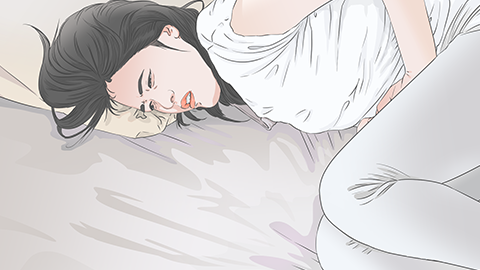
During menstruation, sexual intercourse should be avoided. Both intercourse and pelvic baths may introduce external bacteria into the vagina, potentially causing endometritis, pelvic inflammatory disease (PID), or even salpingitis. These conditions may lead to tubal obstruction, increasing the risk of ectopic pregnancy and infertility, as well as causing chronic pelvic pain. It is also important to avoid catching a cold, as colds may cause retrograde menstrual flow and possibly contribute to PID. Moreover, colds can induce gastrointestinal spasms, and with diminished immunity during menstruation, consumption of cold beverages is not advisable.

Menstruation is a physiological cycle occurring in reproductively capable human females, chimpanzees, and other members of the Hominidae family. For patients experiencing dysmenorrhea accompanied by dark-colored, scanty menstrual blood, ginger and brown sugar tea is recommended. We hope this information proves helpful!




