


Can I take Cefalexin during my menstrual period?
May 26, 2025
Source: Cainiu Health

Dr. Zhang Lu
Introduction
Cephalosporins refer to a class of antibiotics, available in various formulations such as tablets and capsules. Generally, during menstruation, cephalosporins can be taken if there is no allergic reaction to the medication. However, they should be used in accordance with medical advice and with careful attention to bodily reactions. Cephalosporins exert their antibacterial effects by inhibiting bacterial cell wall synthesis, a mechanism that is not directly related to the menstrual cycle.
Cephalosporins refer to a class of cephalosporin antibiotics, available in various formulations such as tablets and capsules. Generally, during menstruation, if there is no allergy to this medication, cephalosporins can usually be taken, but must be used in accordance with medical advice and with careful monitoring of bodily reactions. Detailed explanations are as follows:
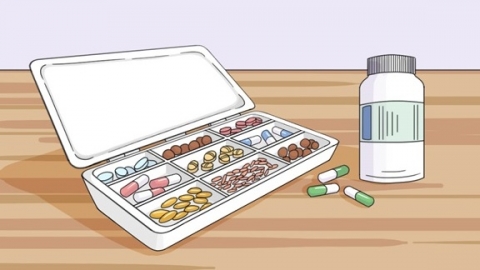
Cephalosporins primarily exert antibacterial effects by inhibiting bacterial cell wall synthesis. Their mechanism of action is not directly related to the menstrual cycle. Taking them during menstruation generally does not affect drug efficacy, nor does it directly influence the menstrual cycle or the amount of menstrual bleeding.
A woman's immunity may decline during menstruation. If bacterial infections such as respiratory tract infections or urinary tract infections occur, timely use of cephalosporins can help control the condition and prevent the infection from spreading or worsening. However, strict adherence to medical instructions is necessary to avoid misuse.
Cephalosporins may cause side effects such as nausea, vomiting, and diarrhea. During menstruation, uterine contractions and increased prostaglandin secretion may exacerbate gastrointestinal discomfort. It is recommended to take the medication after meals or in combination with a gastric mucosal protectant. Some individuals may be allergic to cephalosporins, experiencing symptoms such as rash, itching, and difficulty breathing, in which case the medication should be discontinued immediately and medical attention sought.



