


What should I do if my lower back hurts during menstruation?
Jan 10, 2022
Source: Cainiu Health

Dr. Xiang Jinhong
Introduction
If you experience severe lower back pain during menstruation, you should rest more, avoid physical labor, and reduce physical activity—especially exercises involving the lower back—to prevent worsening of the pain. You may also ask family members to help massage your lower back; this can relax the lumbar muscles and help alleviate back pain.
Lower back pain is a very common symptom, especially among women, who frequently experience it in daily life. Many women also report lower back pain during menstruation (“period”). In some cases, the discomfort can be quite pronounced and may significantly affect daily activities. Therefore, women should pay special attention to self-care during this time. So, what can be done when experiencing lower back pain during menstruation? Below, we address this question.
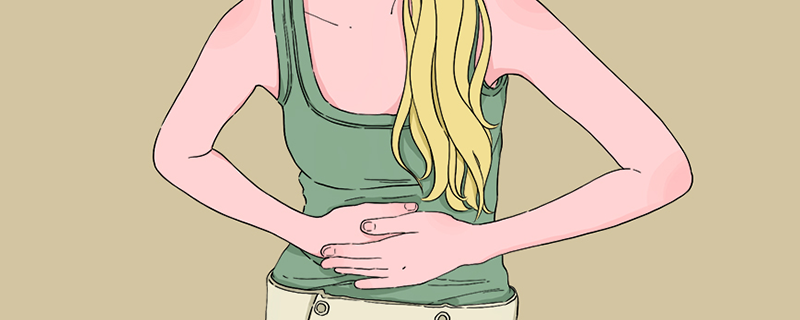
What to Do for Lower Back Pain During Menstruation
If lower back pain is severe during menstruation, it is important to rest adequately and avoid strenuous physical activity—especially exercises that strain the lumbar region—to prevent worsening of the pain. Gentle massage of the lower back by family members may help relax the lumbar muscles and alleviate discomfort.
Dietary adjustments are also essential. During menstruation, women should maintain a balanced diet and avoid cold, raw, or spicy foods. In particular, ice cream and cold beverages should be avoided—especially in summer—as they may exacerbate lower back pain and potentially trigger abdominal cramps or impair uterine contraction and menstrual blood flow.
If severe lower back pain recurs with every menstrual cycle, it is advisable to consult a healthcare provider for evaluation to rule out underlying gynecological conditions. Certain gynecological disorders—including endometritis, cervicitis, and pelvic inflammatory disease (PID)—can manifest as lower back pain. Prompt diagnosis and treatment are crucial if such conditions are identified.
Additional Information: Causes of Menstrual-Related Lower Back Pain
1. Abnormal Uterine Position: Conditions such as anteverted, retroverted, or prolapsed uterus may cause lower back pain. There is no specific medical treatment for this type of pain; however, correcting uterine prolapse or adjusting posture may provide symptomatic relief.
2. Pelvic Tumors: Patients with uterine fibroids, cervical cancer, or ovarian cysts may experience lower back pain due to tumor compression of nearby nerves or infiltration of pelvic connective tissue by malignant cells. Such patients often present with diffuse, widespread abdominal pain alongside back pain, and pharmacologic interventions are typically ineffective.
3. Internal Injury Factors: Excessive childbearing, frequent induced abortions, or irregular sexual activity may deplete kidney qi (a Traditional Chinese Medicine concept related to vital energy and reproductive health), leading to lower back pain.
4. Lumbar Muscle Strain: Physical overexertion, prolonged improper sitting or standing postures, or excessively tight waistbands may contribute to lumbar muscle strain and subsequent pain. Affected individuals should balance work and rest, regularly perform gentle lumbar exercises, and allow the lumbar musculature to relax and recover.
5. Pelvic Inflammatory Disease (PID): Chronic salpingo-oophoritis, PID, or pelvic connective tissue inflammation may irritate surrounding structures and provoke lower back pain. As the primary condition improves or resolves, associated back pain typically diminishes gradually.
The above outlines practical approaches to managing lower back pain during menstruation. We hope this information proves helpful.





